Sunday, 21 July 2013

Only the beginning

When I wrote my last winter post I was expecting it to make the beginning of a season of hibernation, and season of little growth and little colour in terms of the garden. I suppose I was expecting a European reaction to winter: complete hibernation followed by a burst of colour and life when spring finally arrived.

Our garden couldn't be more different. The whole area is alive with colour, texture and a range of animals that start with the worms and snails and ends with the two cats who want to know everything, especially the location of two scared little frogs. Everywhere you look there is something new and unusual and unexpected ( by me at least; I expect the multitude of seedlings to die or be eaten or trampled to death) making it a joy to meander around the beds with a camera in hand and cat following closely behind.


The fur of these leaves contrasts with the bud of the banksia above, a style that seems more at home as fashionable headwear than centimetres from the ground in the Australian Bush. 


It is the underside of this leaf, reminiscent of the spores of the fern that captured my attention.


Two frogs in the mulching pile, trying to hide from discovery by us, or the two felines nosing around the area. 


I know not what this is but it reminds me of the Scottish thistle and English holly and has the prettiest bud. 


Its hard to believe that this is nature and was not around to offer inspiration to Van Gogh and Monet, for I think even I could have done a better job of making it look like a flower. 


The pink/red leschenaultia to compliment the blue. 


Hidden by a rock, in the corner of a garden bed, near the side door, barely two inches in length, this spider's web was bejewelled with crystal droplets that hung suspended there quivering with the slightest movement


It is a hakea or grevillia, or candlestick something. All I know is its pretty and the red version is also in flower down the length of Leach Hwy. Must... get... cutting. 


Emerging out of a bumper (unwanted) crop of Pin Cushion Hakea seedlings rose these two, the purple hovea standing proud and tall, and a double petalled tea tree, its magenta flowers contrasting superbly with the dusty green of its surrounds.


And when the rain stops and the sun comes out...

Saturday, 20 July 2013

An Afternoon at the Opera

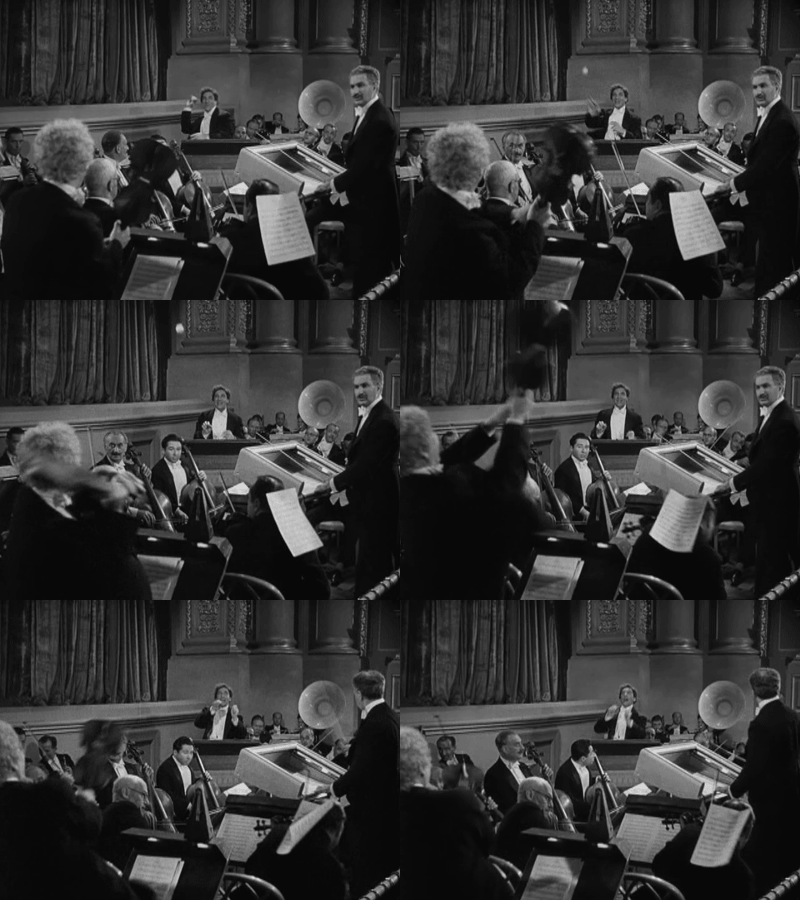
Growing up, one of the things my father introduced us to was the Marx Brothers, with one of the most delightful ones being A Night at the Opera. In this, Groucho, Harpo and Chico completly sabotage the perfermance of an opera in the aim of getting their candidate into the lead role.

Having seen this numerous times and thoroughly enjoyed their antics and the music from the destroyed opera performance, I thought it sensible to actually see the opera they ruin so spectacularly.
As a result, on a cold and wet and windy Saturday I took myself off to Leederville to watch a filming of a Met Opera production of Il Trovatore.


It was beautifully done, to what I'm sure would have been great acclaim and with a superb cast and orchestra, but I fear this was overshadowed by material of the opera itself; I have no appreciation for plays (and operas) involving unrealistic characterisations. and stupid plot decisions.

 As examples, Manrico is willing to kill the Count di Luna simply because his mother asks him to without even taking pause to ask her the reasons behind her demand, and di Luna isn't the slightest bit suspicious that Leonora is suddenly willing to marry him when previously her actions indicated her preference for entering a convent over marrying him.

Normally people would act logically and have a logical explanation behind their actions. These don't have to be moral or legal, but there is still a reason.  In the example of Manrico it is because Di Luna's Father killed Manrico's Mother's Mother and she wants revenge, while on Leonora's part she has decided to kill herself (unbeknownst to Di Luna) to save her lover and stop herself falling into Di Luna's hands.  The fact that neither Manrico and Di Luna contemplate these underlying reasons but openly and immediately accept what is put to them makes them unbelievable in my eyes.

I may be biased as I do love A Night at the Opera, but the Marx brothers did use the best scenes from the opera whilst avoiding all of the melodrama and stupidity that is incorporated into the plot.And they manage to throw in some delightful antics that would infuriate even the most peaceful of opera-goers.


It is sad that upon returning home I felt the need to watch Night at the Opera, if only to restore the natural order. After all, who can resist Harpo as a gypsy woman:


Sunday, 23 June 2013

Baking Blues (Strawberry Tart)

At the end of a week, I often find myself in the kitchen for one of two reasons; the need to relax, or the desire to rise to a challenge.

The former may sound a little strange as most people don't associate a complete day of baking with relaxation, unless they're focussing solely on the enjoyment of eating baked goodies. For me though baking is a time when my mind is completely clear, free from any of the worries or details that are associated with work. I am able to glide through a recipe without feeling distracted by the details of work or drained through concentrating on the recipe.

As I'm not working at the moment, the amount of baking I inflict upon family and friends has sunk to virtually nothing; I have nothing to escape from, nothing that requires a relaxational counterweight.

Yesterday however there was a challenge to rise to. Usually this entails finding a way of using up an excess of open jars of jam, a chunk of meat from the back of the freezer, the crop of limes in the garden...

On this occasion it centred around three kilos of jamming strawberries.

As we have way too much jam in the house, I decided upon strawberry tarts. Crisp buttery pastry brimming with softened fruit and drizzled with a slightly caramelised strawberry coulis before being served with thick cream and icecream.


The pastry was simple (made simpler by the use of a food processor). Put 175g of plain flour, 1/2 tsp of salt, 1 tbsp caster sugar and 120g cold diced butter (the recipe calls for unsalted butter but I use the salt-reduced stuff). If you want, add a big handful of grated parmesan, roasted coconut or lemon zest to direct the pastry towards sweet or savoury. Whiz this together until it resembles breadcrumbs, then with the motor running slowly drop in 3 tbsp of iced water. The mixture should come together to form a very soft pliable dough. If it feels too soft put it in the fridge while you work on the other components.


The strawberries were as simple, lightly stewed with a tbsp of caster sugar and the juice of half a lemon. When these were soft but still retained their shape they were taken off the stove and sieved to remove any excess juice. This juice was returned to the saucepan and boiled with another 2 tbsp of sugar and the juice of the rest of the lemon. This thickened into a berry coulis which could be drizzled over the uncooked tarts or kept for serving.


As the strawberries cooled slightly, the pastry was rolled, fitted and blind baked before these cases were filled with the softened fruit and coated with the remnant coulis. I don't remember how long they were baked for but it was until the visible pastry was golden brown.


 If only I were confident that they could last longer than the evening. 

Thursday, 20 June 2013

A Winter's Tale

I love Winter, not just because it is the season of warm coats and hats and gloves, but because regardless of how cold it gets, the garden does not stop blooming.


Winter starts with the wattle, balls of soft yellow down into which you plunge your nose and drink in the soft honey'ed scent. Years ago we had a Mount Morgan wattle, its velvety grey leaves a perfect compliment to the mini pompoms and low hum of the bees who drown in the gentle scent. Now, the leaves are spikier, but the subtle fragrance still triggers idyllic memories.


In the orchard, the ruby jewels of the pomegranate have become less plentiful, the wattle birds and spiders welcome to the last of the decaying fruit that failed to survive the first of the rains. Their place is taken by the limes and oranges that hang in clusters amongst the dark leaves tempting you with ideas of fresh orange juice and lemon cake. 

In the front garden, the last of the roses are in bloom, an old fashioned rose of the softest blush within which a bee forages, cocooned by the full petals. 


Around the garden the bulbs are slowly making their presence felt, poking through the bed of mulch...


 ...before erupting into a profusion of highly scented jonquils and snowdrops.


Foraging though the rest of the garden, it's the native plants that capture one's attention. The spidery tendrils of a white grevillia at odds with its prickly leaves...


the pink flowers of a hardy ground-cover,


and the recognisable blossoms of the Geraldton and Albany Waxes that lines our roads.

Each plant vies for attention, the Silver Princess using the contrast of the powdery grey leaves with the bright red tendrils that appear as if off the pages of a May Gibbs book. Each flower would have made a wonderful gown for the little Ragged Blossom and her fellow gumnut babies. 


In the interim they provide ample attraction for the garden's bees.


Amongst the banksia the variation is just as spectacular. 


Only a grevillia is at odds with this delightful display, the flowers more reminiscent of the festive season with each cluster parodying the eye-catching baubles of the Christmas tree.


Watching over the garden, from the flimsiest branches of the Jacaranda sits another visitor, with perhaps more rights than any we can lay claim to. He's welcome here, so long as he ignores the frogs and worms, and sticks to the snails and slugs and slaters and mosquitoes and flies...


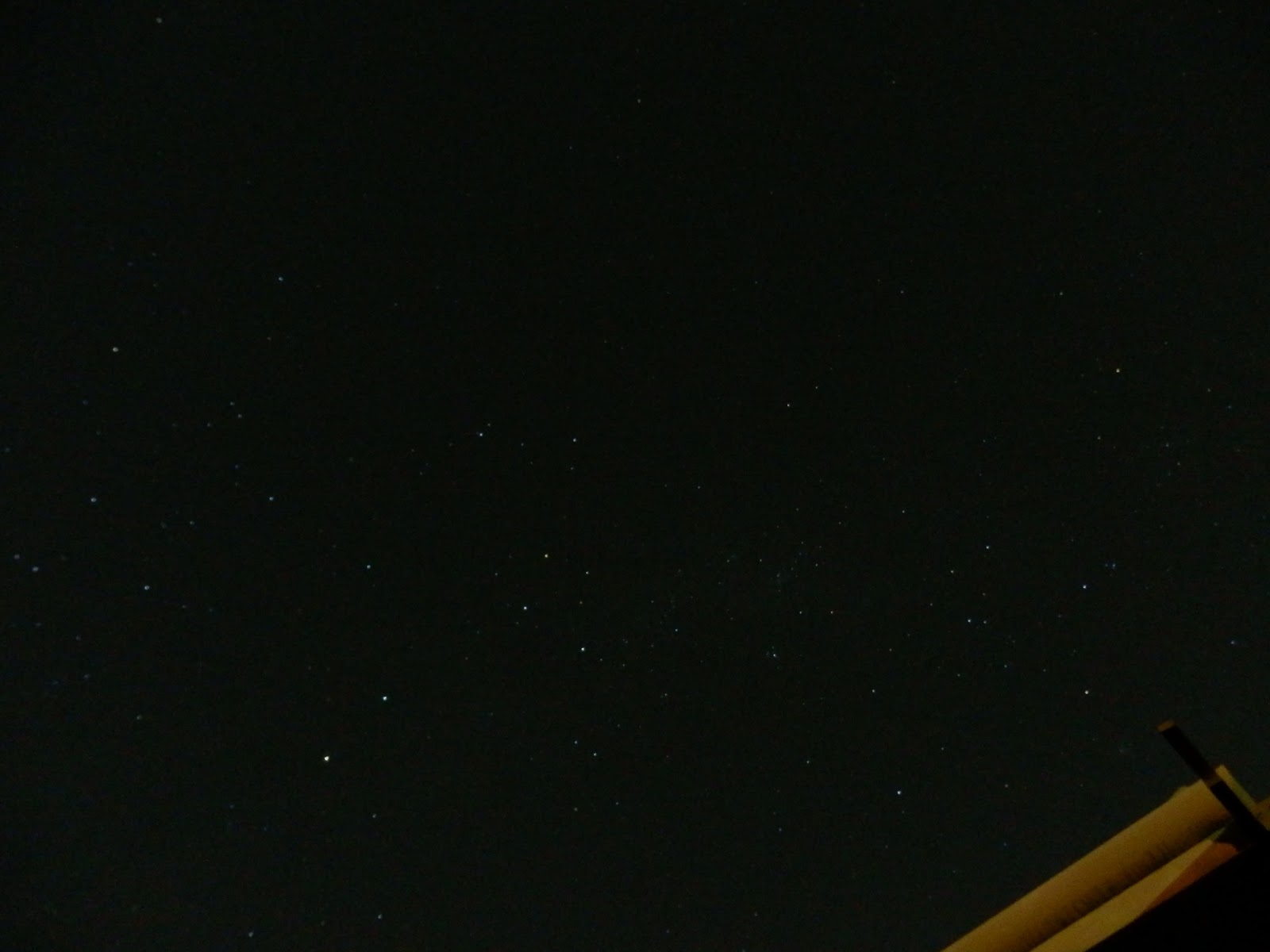
As darkness falls, a delicate fog may settle in, filling the depths of this sleepy hollow, while above in the crisp night air, the Southern Cross glistens down. 


Related Posts Plugin for WordPress, Blogger...